Is it walking yet?
Not yet.

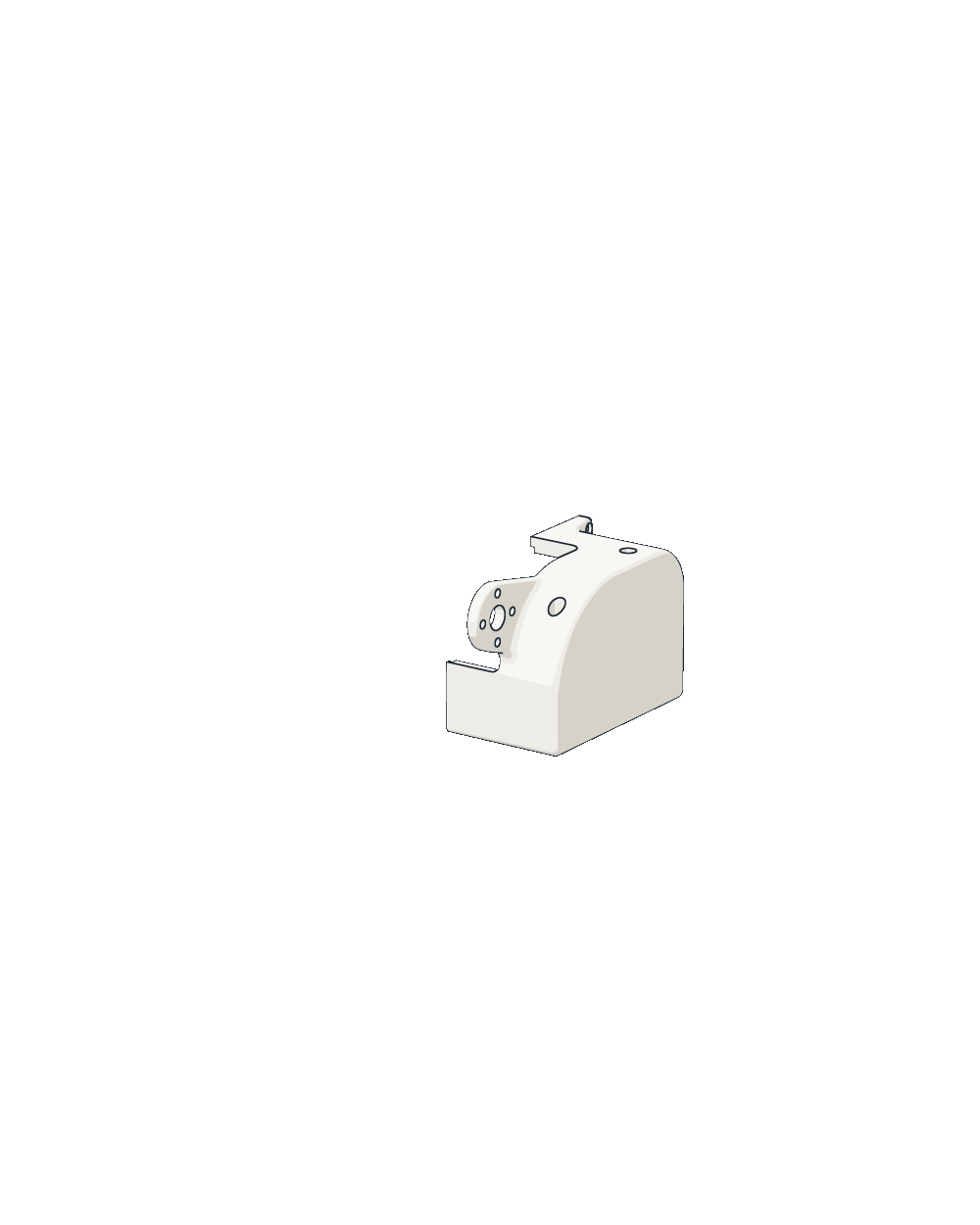

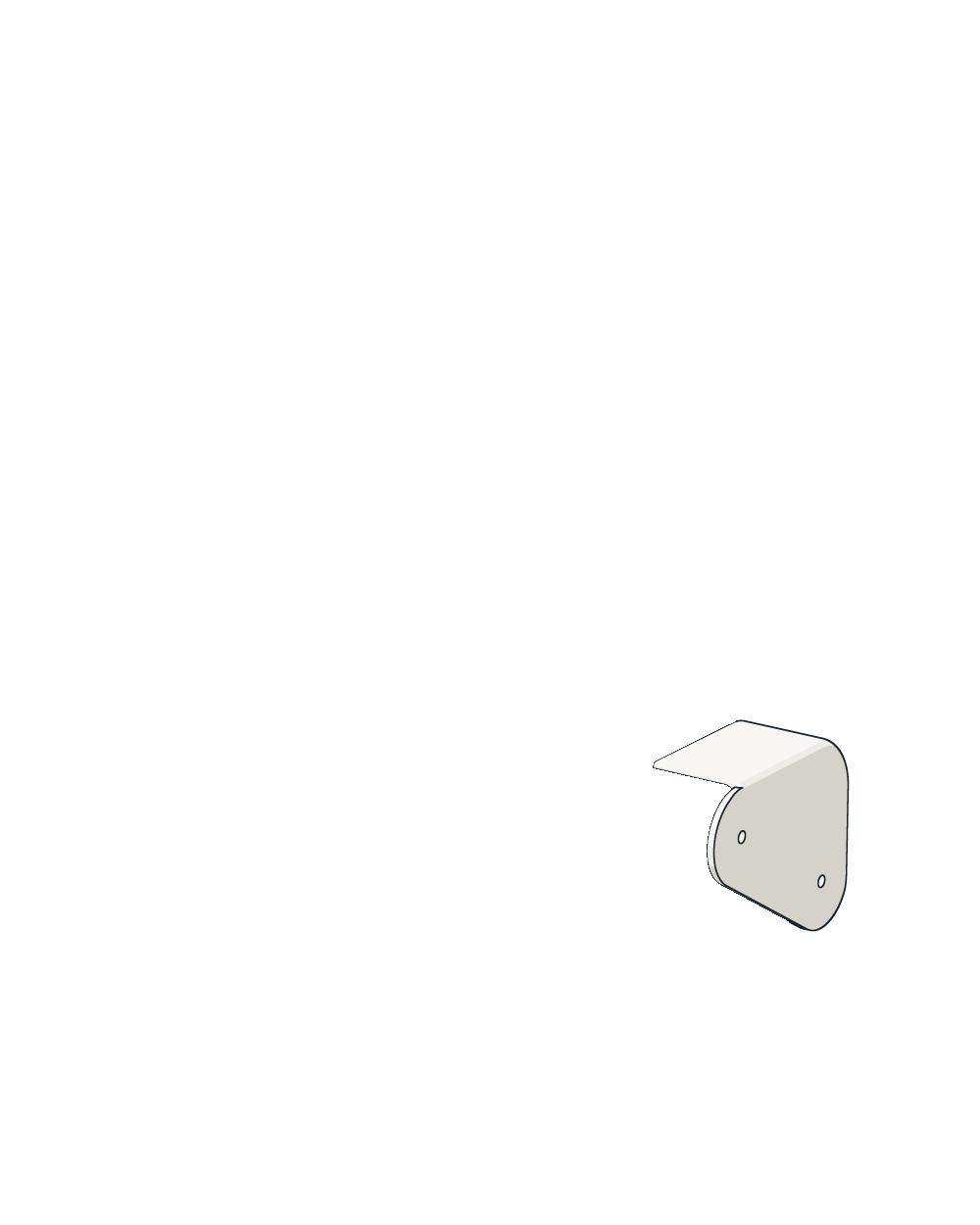




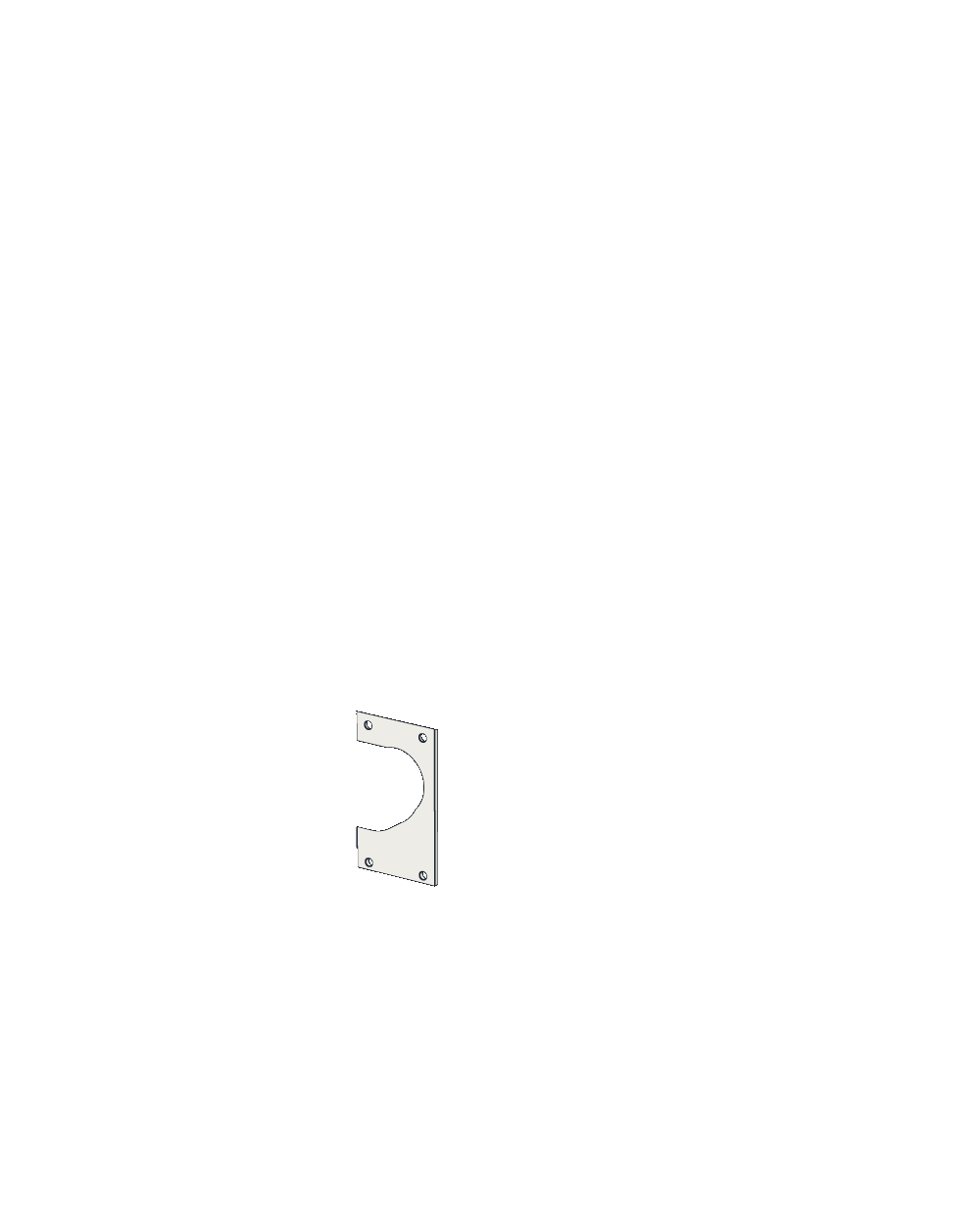







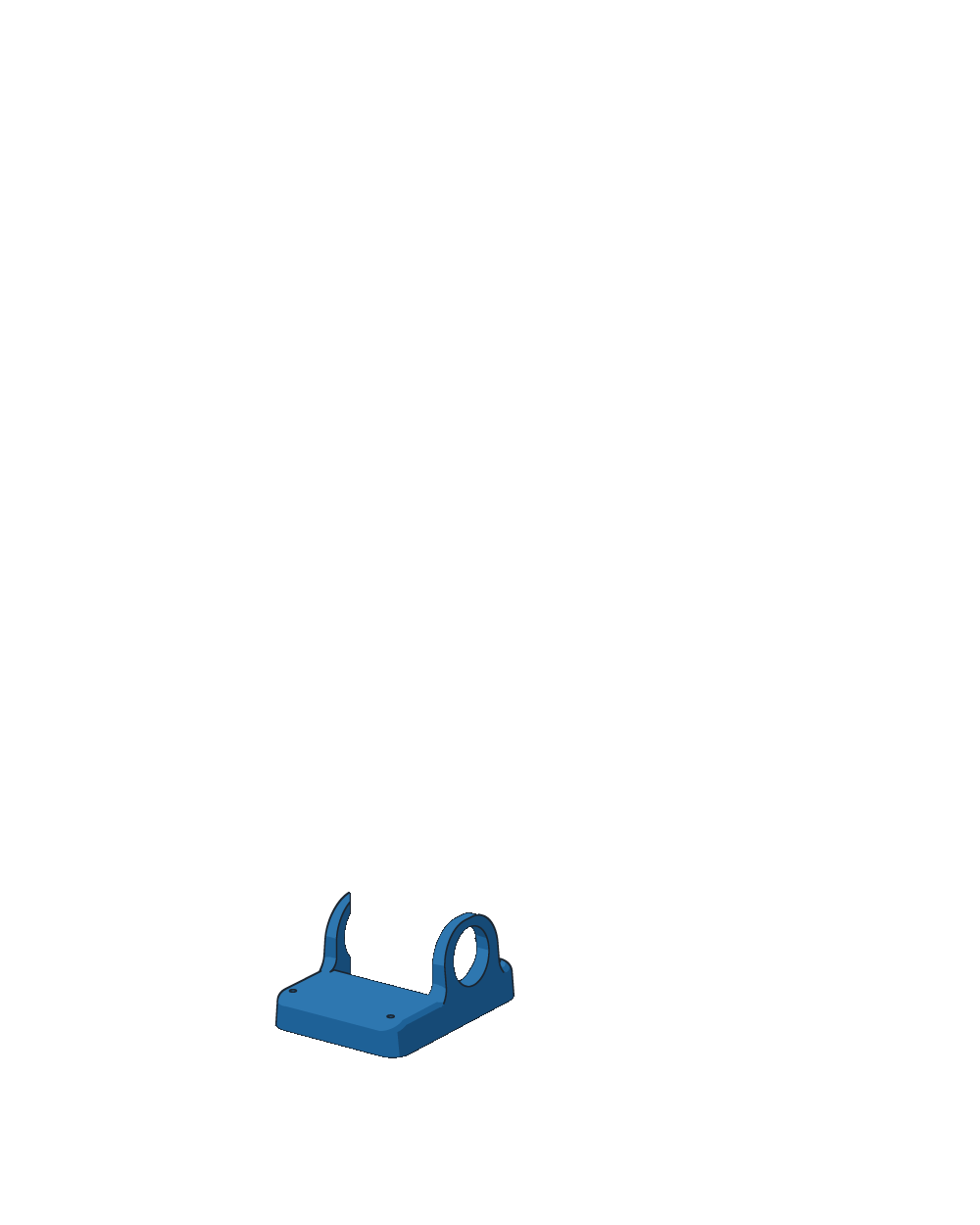
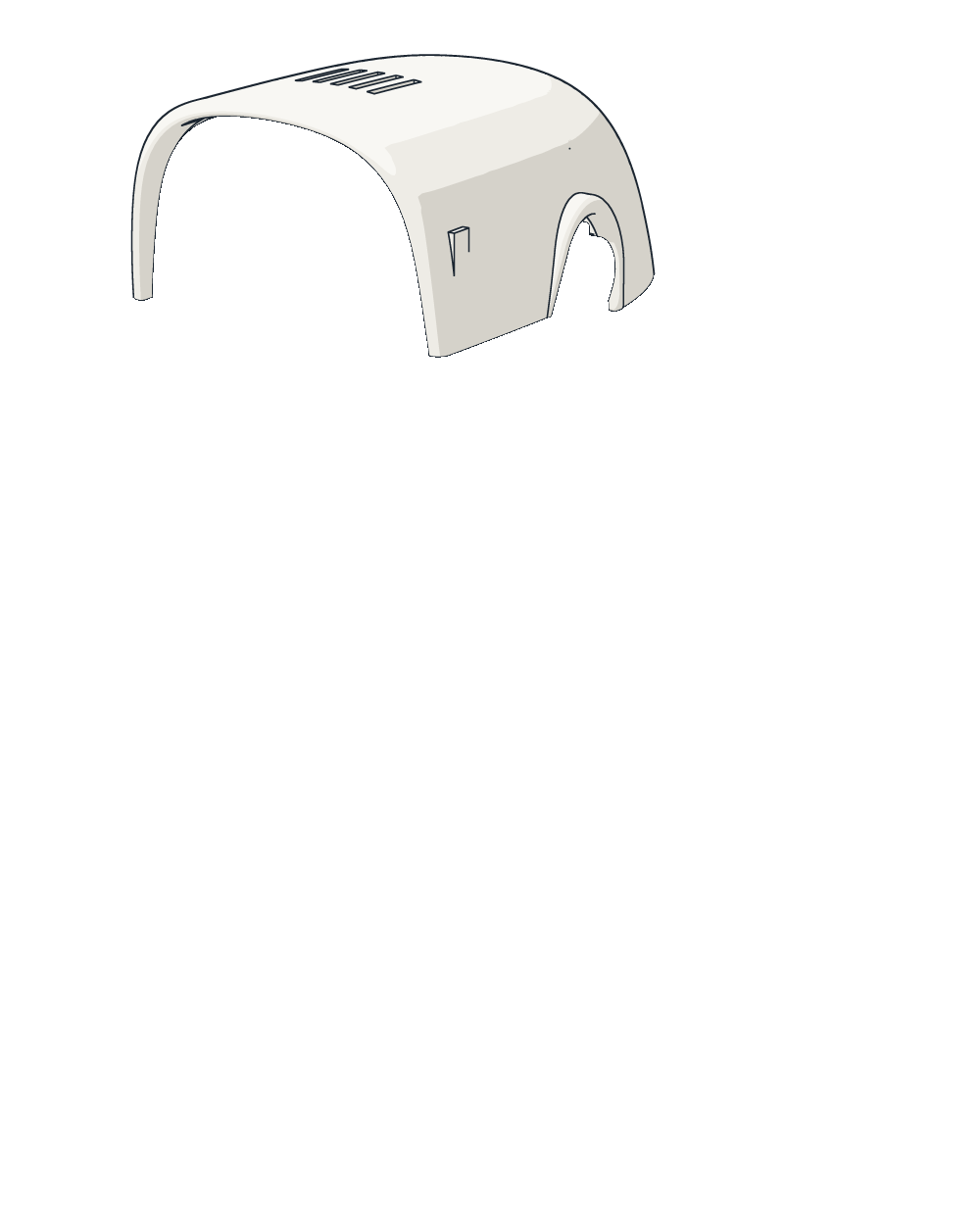
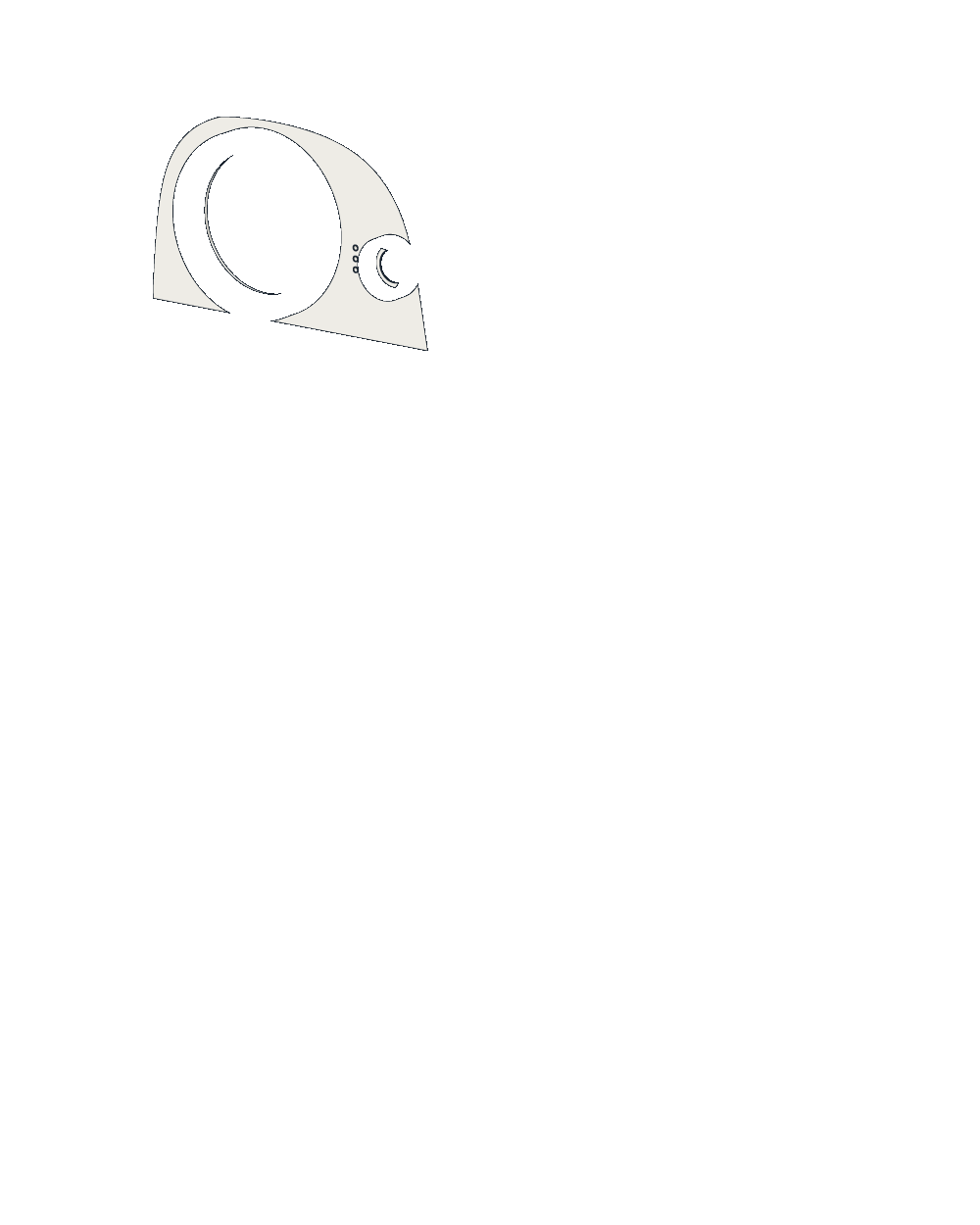

















Every PLA part is printed; only the TPU soles and beak edges are left. The servos are still on pre-order, so for now the head is the busy end: the round screen and the camera sit in the new face, and a bench stand is ready to run the head on its own.
18 of 20 plates printed, about 39 of 41 hours.
Feetech HD-1910 servos: 16 on order.
- Still to make
- Printed or in handFitted to the robot
Next: Print the TPU soles and beak edges, then wait for the servos: OpenELAB expected to restock about 23 October.
From the diary
Every entry-
Day 9
Every PLA plate printed
Eighteen plates and about 39 hours of printing later, every PLA part of the duck exists, and face plate v1 is in with its screen and camera. Only the TPU soles and beak edges are left, and the servos are still on their way.
-
Day 8
Firmware for a face
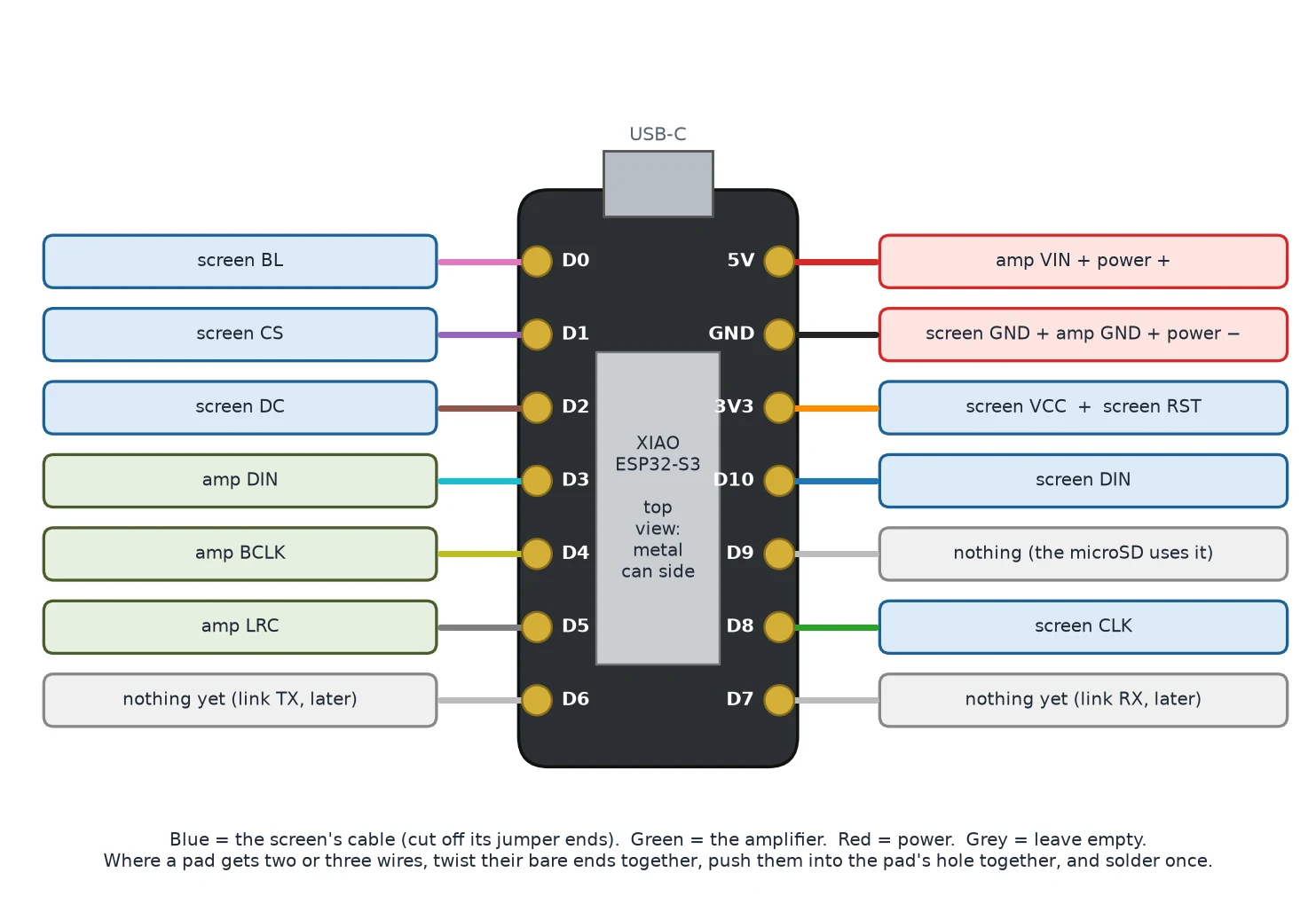
The servos aren't here, but the head doesn't need the rest of the robot to come alive. A bench stand, firmware for the eye, camera, microphone and speaker, a small servo driver, and a ten-page guide to wiring it all up.
-
Day 8
A screen for an eye, a camera for the other
The screen and the XIAO camera board arrived, so out came the calipers. Face plate v1 holds both. Getting there took a drooping lip, a wedge-shaped tab and a camera 4 mm off.
What we changed
All our changes-

A face that comes off
A taller hood and a face held on by three magnets. A new face is a 49-minute print.
-

A screen for an eye
A 1.28" round screen and a XIAO camera board, so the duck can look, listen and talk.
-

A cleaner print file
27 STLs composed into one Bambu Studio project: 20 plates, about 40 hours, and seven versions to get there.
What went wrong
All 21 so far-
Day 8
The screen lip drooped
Print the face plate front-down. The lip becomes the first layers on the bed and every pocket opens upwards.
-
Day 4
Hole blockers that blocked nothing
Paint first, then write. A count of painted triangles in the finished file is now part of the checks.
-
Day 3
The face printed back to front
The print file is now the fitted plate rotated onto its back: a rotation, not a mirror.